Choosing the right lock for your home is one of the most important security decisions you’ll make. With technology advancing rapidly, homeowners now face a choice between traditional mechanical locks and modern smart locks. Both options offer distinct advantages, but which one is truly right for your home? Let’s dive deep into the features, benefits, and drawbacks of each to help you make an informed decision.
Understanding Traditional Locks
Traditional locks have been the backbone of home security for centuries. These mechanical devices use physical keys and internal mechanisms like pins, tumblers, or wafers to secure your doors.
Types of Traditional Locks
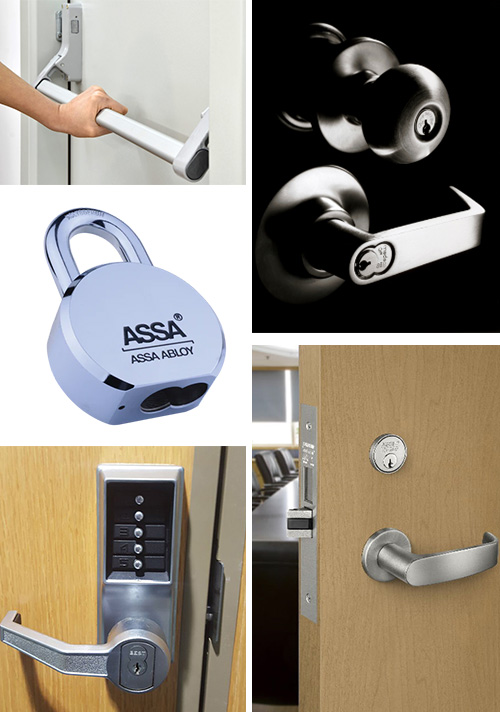
Deadbolts remain the gold standard for residential security. Available in single-cylinder (key on one side, thumb turn on the other) and double-cylinder (key on both sides) configurations, deadbolts provide robust protection against forced entry. They’re commonly installed on front doors and are often required by insurance companies.
Knob locks are typically used as secondary locks on interior doors or in combination with deadbolts. While convenient, they offer minimal security on their own since the locking mechanism is contained within the knob itself, making them vulnerable to forceful attacks.
Lever handle locks are popular for both residential and commercial applications. They’re easier to operate than knobs, making them ideal for people with limited hand mobility, and they comply with ADA accessibility standards.
Mortise locks are more complex systems that fit into a pocket (mortise) cut into the door. These locks offer superior strength and are commonly found in older homes and commercial buildings.
Advantages of Traditional Locks
Traditional locks offer several compelling benefits that keep them relevant in today’s market. Their reliability is unmatched—they function without batteries, electricity, or internet connections, meaning they’ll work during power outages or network failures. This mechanical simplicity also translates to lower upfront costs, with quality deadbolts available for $20-$100 compared to smart locks that often start at $150-$200.
The longevity of traditional locks is impressive. A well-installed, high-quality deadbolt can last 20-30 years or more with minimal maintenance. There’s also no learning curve involved—everyone knows how to use a traditional key, making them universally accessible for family members, guests, and service providers.
From a security standpoint, traditional locks are immune to hacking, Wi-Fi vulnerabilities, and electronic failures. High-security options like Medeco or Mul-T-Lock offer advanced features such as pick-resistant pins and drill-resistant components that rival smart lock security.
Disadvantages of Traditional Locks
Despite their advantages, traditional locks come with notable limitations. Lost or stolen keys create immediate security concerns, often requiring expensive rekeying or lock replacement. You can’t remotely lock or unlock your doors, making it impossible to let someone in when you’re away or verify whether you locked up before leaving.
Key management becomes complicated with multiple family members, requiring duplicate keys that can be copied without your knowledge. Traditional locks also lack the monitoring capabilities of smart systems—you have no way to track who enters and exits your home or receive alerts about unusual activity.
Physical keys are vulnerable to various security threats. They can be copied at any hardware store, and techniques like lock picking or bumping can compromise even quality locks in the hands of skilled intruders.
Exploring Smart Locks
Smart locks represent the evolution of home security, combining traditional locking mechanisms with digital technology, wireless connectivity, and smartphone integration.
Types of Smart Locks
Keypad smart locks eliminate the need for physical keys by using PIN codes. Users can create multiple codes for different family members or temporary guests, with the ability to delete codes instantly when access needs to be revoked.
Biometric smart locks use fingerprint recognition for entry. These offer high security since fingerprints are unique and can’t be shared or copied like keys or codes. They’re ideal for households where remembering codes is challenging.
Bluetooth-enabled smart locks connect to your smartphone when you’re nearby, automatically unlocking as you approach. They don’t require Wi-Fi, making them more affordable and easier to install than fully connected options.
Wi-Fi connected smart locks offer complete remote access from anywhere in the world. You can lock or unlock your door from your phone, integrate with home automation systems, and receive real-time notifications about door activity.
Hybrid smart locks retain traditional keyhole functionality alongside smart features, giving you the best of both worlds. If the electronics fail or batteries die, you can still use a physical key.
Advantages of Smart Locks
Smart locks transform home security through convenience and connectivity. Remote access is perhaps the most valuable feature—whether you’re at work, on vacation, or simply upstairs, you can control your locks from your smartphone. Forgot to lock the door? Problem solved with a tap on your screen.
Keyless entry eliminates the hassles of physical key management. No more fumbling for keys in the dark, hiding spare keys under doormats, or rushing to make copies for houseguests. You can create temporary access codes for dog walkers, cleaners, or Airbnb guests that automatically expire when no longer needed.
Activity monitoring provides unprecedented insight into your home’s security. You’ll receive notifications when doors are unlocked, view logs showing who entered and when, and even get alerts if your door is left open too long. This is invaluable for families with teenagers or for monitoring elderly relatives.
Integration with smart home ecosystems allows your locks to work seamlessly with other devices. Your lock can trigger lights to turn on when you unlock the door, adjust your thermostat when you leave, or activate security cameras when unusual activity is detected.
Enhanced security features include auto-locking after a set time, one-time use codes for contractors or delivery personnel, and the ability to instantly revoke access for anyone—far faster and more secure than changing all your physical locks.
Disadvantages of Smart Locks
Smart locks aren’t without drawbacks. The higher initial investment can be significant, with quality models ranging from $150-$400, plus potential professional installation costs if you’re not handy with tools.
Power dependency is a real concern—smart locks require batteries that typically last 6-12 months. While most locks warn you when batteries are low, and many have emergency backup options, a dead battery can be inconvenient. Some models drain batteries faster if you use features like auto-unlock frequently.
Technical vulnerabilities exist, though modern smart locks have robust security protocols. Cheaper models may have weaker encryption, and like any connected device, they could potentially be targeted by sophisticated hackers. However, actual hacking incidents are rare, especially with reputable brands.
Compatibility issues can arise if you have non-standard doors, older door frames, or specific aesthetic requirements. Some smart locks are bulky and may not fit on all doors, and not all models work with every smart home platform.
The complexity factor means there’s a learning curve for less tech-savvy family members. Setup requires following instructions carefully, and troubleshooting technical issues can be frustrating compared to the simplicity of a traditional lock.
Security Comparison: Head to Head
When comparing pure security strength, both lock types can offer excellent protection when properly installed and maintained. High-security traditional locks like Grade 1 deadbolts provide formidable physical security with pick-resistant pins, hardened steel construction, and drill-resistant plates.
Smart locks typically incorporate similar mechanical security features while adding electronic layers. Many use encrypted wireless communication with rolling codes that prevent replay attacks. However, they introduce new vulnerabilities—weak passwords, outdated firmware, or poor encryption on budget models can be exploited.
The reality is that most home burglaries involve forced entry through windows or weak points rather than lock manipulation. A quality smart lock or traditional deadbolt will deter the vast majority of intruders. The key is choosing reputable brands with proven security records.
For maximum security, many homeowners opt for redundancy—a smart lock with traditional key backup, multiple authentication methods (code plus fingerprint), or smart locks on primary entries with traditional locks on secondary doors.
Cost Analysis: Initial Investment and Long-Term Value
Traditional locks are clear winners in upfront costs. A quality residential deadbolt costs $30-$100, with professional installation adding $50-$150. Even high-security locks rarely exceed $200-$300 total.
Smart locks require a higher initial investment, typically $150-$400 for the lock itself, plus $75-$200 for professional installation if needed. High-end models with advanced features can exceed $500.
However, long-term costs tell a more nuanced story. Traditional locks require rekeying ($50-$150) whenever keys are lost or security is compromised. If you move frequently or have turnover in who has access, these costs accumulate. Smart locks eliminate rekeying expenses—just delete old codes and create new ones instantly.
Battery replacement for smart locks costs $10-$20 annually, a minimal expense compared to potential rekeying costs. Smart locks also offer potential insurance savings, with some carriers offering discounts for enhanced security systems.
The value proposition ultimately depends on your usage patterns. Frequent travelers, Airbnb hosts, or people who regularly grant temporary access will recoup smart lock costs through convenience and eliminated rekeying fees. Homeowners who rarely share access may find traditional locks more economical.
Installation and Maintenance Requirements
Traditional lock installation is straightforward for anyone with basic DIY skills. Most deadbolts can be installed in 30-60 minutes with a drill, hole saw, and screwdriver. Maintenance is minimal—occasional lubrication with graphite powder keeps mechanisms operating smoothly.
Smart lock installation varies by model. Some replace only the interior portion of existing deadbolts, making installation simple. Others require complete replacement, which may involve drilling new holes or modifying door frames. Most manufacturers provide detailed instructions, and many homeowners successfully install them without professional help.
Maintenance for smart locks includes battery changes, firmware updates, and occasional recalibration. Most smart locks send low-battery warnings weeks in advance, and updating firmware is typically done through the companion app. This ongoing maintenance is more involved than traditional locks but manageable for most users.
Which Lock Type Is Right for You?
Choosing between smart locks and traditional locks depends on your specific needs, lifestyle, and priorities.
Choose traditional locks if you:
- Prefer simplicity and reliability over technology
- Have a limited budget for security upgrades
- Live in an area with minimal connectivity issues
- Rarely need to grant temporary access to others
- Are concerned about electronic vulnerabilities
- Want minimal ongoing maintenance
- Live alone or with a small, stable household
Choose smart locks if you:
- Value convenience and remote access control
- Frequently travel or are away from home
- Host Airbnb guests or need regular temporary access codes
- Want to monitor who comes and goes
- Have a smart home ecosystem you want to integrate with
- Often forget whether you locked the door
- Have teenagers who lose keys regularly
- Want to eliminate physical key management
- Work with contractors, cleaners, or service providers who need scheduled access
Consider a hybrid approach if you:
- Want enhanced security with traditional backup options
- Have multiple entry points with varying security needs
- Are transitioning from traditional to smart systems
- Want smart features on main doors but prefer traditional locks for secondary entrances
Professional Installation and Service Recommendations
Whether you choose smart locks or traditional locks, proper installation is crucial for optimal security and functionality. While DIY installation is possible for both types, professional locksmith services ensure correct alignment, secure mounting, and proper testing.
Professional locksmiths can assess your specific doors and frames to recommend the best lock types for your situation. They can identify potential issues like door misalignment, frame weakness, or security vulnerabilities that might compromise even the best locks.
For residential locksmith services throughout Maryland, professional installation ensures your locks—whether smart or traditional—provide maximum security. Expert locksmiths can also integrate smart locks with existing security systems, program access codes securely, and provide training on proper usage.
If you’re in the Baltimore area and need assistance with lock selection, installation, or upgrades, professional locksmith services are available in Towson, Bel Air, Columbia, Ellicott City, and surrounding communities. Expert technicians can help you choose the right locks for your specific needs and ensure professional installation for optimal security.
Commercial properties have unique security requirements that benefit from professional consultation. Whether you need to secure an office, retail space, or warehouse, commercial locksmith services can design comprehensive security solutions combining traditional and smart lock technologies.
Emergency locksmith services are essential to have on hand, especially during the transition to new locks or if you experience issues with existing systems. Being locked out, dealing with broken locks, or experiencing security breaches requires immediate professional response regardless of whether you have smart locks or traditional systems.
For those who frequently travel within Maryland, it’s worth noting that professional locksmith services extend to multiple locations including Cockeysville, Catonsville, Essex, Fallston, Glen Burnie, Owings Mills, Parkville, Pikesville, Perry Hall, Reisterstown, and Timonium. Having a trusted locksmith familiar with your property and security setup across different locations provides peace of mind.
The Verdict: Making Your Decision
There’s no universal “best” choice between smart locks and traditional locks—the right answer depends entirely on your unique situation. Both can provide excellent security when properly selected and installed.
Traditional locks remain an excellent choice for those who prioritize simplicity, lower costs, and proven reliability. They’re time-tested, universally understood, and completely independent of technology infrastructure.
Smart locks offer transformative convenience and control that many modern homeowners find invaluable. The ability to manage access remotely, monitor activity, and eliminate physical keys provides security and peace of mind that traditional locks simply cannot match. For commercial applications, the access tracking and management features are often essential for business operations.
Many security experts recommend a layered approach: smart locks on primary entry points for convenience and monitoring, with high-quality traditional locks serving as backups or on secondary entrances. This strategy provides technology benefits while maintaining fallback security.
Whatever you choose, remember that locks are just one component of comprehensive home security. Proper door and frame construction, good exterior lighting, visible security systems, and alert neighbors all contribute to keeping your home safe.
The best lock for your home is ultimately the one you’ll use consistently and that fits your lifestyle. Whether that’s a traditional deadbolt or a cutting-edge smart lock with biometric access, making an informed choice ensures your home’s security aligns with your needs.
Ready to upgrade your home security? Consult with professional locksmith services to assess your current setup, discuss your requirements, and implement the lock solutions that provide the perfect balance of security, convenience, and peace of mind for your household.