Adding a deadbolt lock to your door is one of the simplest yet most effective ways to improve home security. Unlike standard spring latch locks, a properly installed deadbolt provides a higher level of resistance against forced entry. If you’re wondering how to install a deadbolt lock on your own, the process is straightforward with the right tools and patience. This guide breaks down deadbolt lock installation into clear steps while providing professional tips to ensure durability and safety.
Deadbolt Lock Installation: Why It Matters
Home security is no place to cut corners. While standard knob locks are convenient, they are easier to pick or break compared to deadbolts. Installing a deadbolt lock adds a strong, secondary line of defense against burglars and ensures peace of mind for homeowners.
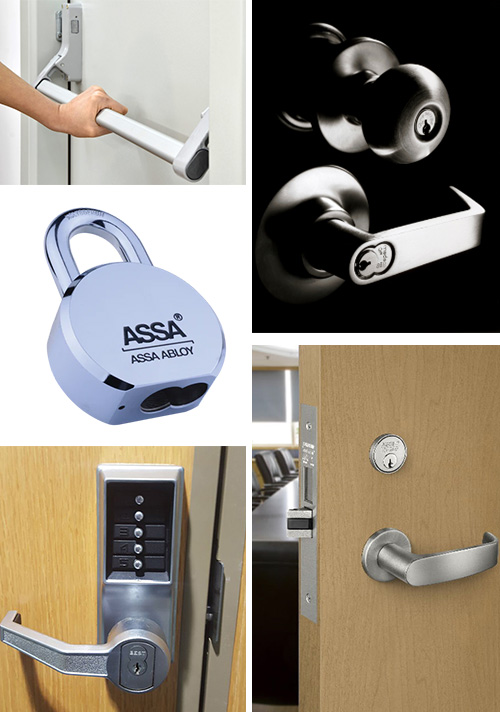
Many modern deadbolts come in single-cylinder and double-cylinder options, with features such as keyless entry and smart lock integration. Choosing the right deadbolt and learning the proper installation method is key to making your home safer.
Tools and Materials Needed for Deadbolt Lock Installation
Before you start drilling, gather everything you’ll need. Having the right tools at hand makes the job quicker and prevents mistakes.
Tools Required:
Power drill with spade bit or hole saw
A power drill with a spade bit or hole saw is perfect for making clean, precise holes in wood, drywall, or other materials. The spade bit is ideal for wider, shallow cuts, while the hole saw creates neat circular openings. Both are essential for projects requiring wiring, pipes, or fixtures.
Phillips-head screwdriver
A Phillips-head screwdriver is designed to fit cross-shaped screws, providing better grip and torque than flat-head options. It’s a staple in assembling furniture, tightening hardware, or performing small repairs. Durable and versatile, it works for both household and professional tasks.
Tape measure
A tape measure is a must-have for getting accurate measurements in any project. It helps ensure cuts, placements, and fittings are precise, reducing mistakes and wasted material. Compact and retractable, it’s easy to carry in a toolbox or pocket.
Hammer and chisel
The hammer and chisel combo is perfect for shaping, carving, or removing materials like wood, stone, or brick. The hammer drives controlled force, while the chisel guides the cut or break. Together, they’re indispensable for both demolition and fine detailing.
Pencil for marking
A pencil for marking is a simple yet vital tool in construction and DIY tasks. It allows you to outline measurements, guide cuts, and create reference points on different surfaces. Easy to erase or adjust, it keeps projects accurate from start to finish.
Utility knife
A utility knife is versatile for cutting drywall, cardboard, plastic, or trimming materials. With a sharp, retractable blade, it offers both precision and safety during use. Lightweight and handy, it’s a go-to tool for quick adjustments or detailed cutting.
Level
A level ensures that surfaces, lines, or objects are perfectly horizontal or vertical. It uses a bubble vial to confirm alignment, preventing crooked installations or uneven builds. From hanging shelves to laying tiles, it guarantees professional-looking results.
Materials Required:
-
A deadbolt lock kit provides everything you need for a secure installation, including a template, screws, strike plate, and latch. The template ensures accurate alignment, while the included hardware guarantees a proper fit. This all-in-one solution makes the process straightforward and reliable.
-
Wood filler is essential if you need to correct old holes before installing a new lock. It helps create a smooth, solid surface for drilling and ensures the hardware fits securely. Using filler also improves durability by preventing gaps or loose fittings.
-
Applying masking tape over the drilling area prevents splintering and keeps the wood surface clean. It helps maintain neat edges around the hole for a more professional finish. This simple step also reduces the risk of damaging the door’s appearance.
Pro Tip: Most deadbolt lock kits come with a paper template that helps you measure and mark the correct hole positions. Never skip using it.
Step-by-Step Guide: How to Install a Deadbolt Lock
Step 1: Measure and Mark the Door
Mark the desired location for the deadbolt, typically 6 to 12 inches above the doorknob. Use the template included with your deadbolt kit to ensure precise placement. Mark both the face of the door and the edge where the latch will sit.
Step 2: Drill the Face Hole
Using a hole saw bit (usually 2 1/8 inches), drill through the face of the door at your marked spot. Start drilling from one side until the drill bit pokes through the other side, then finish from the opposite side. This prevents wood splintering.
Step 3: Drill the Edge Bore Hole
Next, use a 1-inch spade bit to drill into the edge of the door where the latch will sit. Ensure the hole meets the larger face hole perfectly.
Step 4: Chisel for the Latch Plate
Insert the latch into the bore hole and trace around its faceplate with a pencil. Remove the latch, then carefully chisel out a shallow recess so the faceplate sits flush with the door edge.
Step 5: Install the Latch
Slide the latch back into place and secure it with the screws provided. Double-check that the latch bolt extends and retracts smoothly when tested.
Step 6: Install the Deadbolt Lock Mechanism
Place the exterior side of the lock (with the keyhole) into the face hole, then align it with the latch. Attach the interior thumb-turn mechanism on the opposite side. Secure everything with the long mounting screws, ensuring the lock is level.
Step 7: Install the Strike Plate
Close the door and mark where the latch meets the door frame. Drill pilot holes, then chisel a recess for the strike plate. Install the strike plate with 3-inch screws for maximum strength, as shorter screws are easier to kick in.
Testing the Deadbolt Lock Installation
Once installed, test the lock several times. Ensure the bolt extends fully into the strike plate hole without friction. If the deadbolt sticks, adjust the strike plate until it aligns perfectly.
Single vs. Double Cylinder Deadbolt Locks
Understanding the type of deadbolt you choose affects installation and security:
-
Single-Cylinder Deadbolt: Operated with a key on the outside and a thumb-turn inside. Best for convenience but less secure near glass doors.
-
Double-Cylinder Deadbolt: Requires a key on both sides. Offers higher security but can be risky in emergencies if keys are misplaced.
Common Mistakes to Avoid During Deadbolt Lock Installation
-
Drilling holes without using the template can easily cause misalignment, making the lock parts fail to line up properly. This mistake often leads to a door that doesn’t close smoothly or a lock that won’t function correctly. Always use the provided template to ensure accuracy and a perfect fit.
-
Not chiseling enough space for the latch plate results in the lock sitting unevenly on the door. This creates pressure on the mechanism, leading to difficulty in turning the key or knob. Proper chiseling ensures the latch plate sits flush for smooth operation.
-
Using short screws for the strike plate compromises door security and stability. Short screws don’t reach deep enough into the door frame, making it easier for the lock to be forced open. Longer screws provide stronger reinforcement and greater protection.
-
Forgetting to test the lock before final tightening often leads to functional issues being discovered too late. A misaligned latch or tight fit can prevent the lock from working correctly once everything is fully secured. Testing beforehand saves time, effort, and frustration.
Deadbolt Lock Installation Cost: DIY vs. Professional
-
DIY Installation: Costs around $30–$60 for the lock kit. Saves money but requires time and precision.
-
Professional Installation: Costs about $80–$200 depending on the complexity. Guarantees proper installation with no mistakes.
If you’re confident with basic tools, DIY is a cost-effective option. However, if you want added assurance, professional installation may be worth the investment.
FAQs
How long does deadbolt lock installation take?
It usually takes 30 to 45 minutes for a DIY installation, depending on your skill level.
Do I need special tools for installing a deadbolt?
No, just a power drill, spade bit, screwdriver, chisel, and tape measure are enough for most installations.
Can I install a deadbolt on any door?
Yes, but the door should be solid wood or metal. Hollow-core doors may not provide adequate strength.
What’s the difference between a deadbolt and a regular lock?
Deadbolts extend a solid metal bolt deep into the door frame, making them harder to pick or force open compared to spring-latch locks.
Is it worth getting a smart deadbolt lock?
Yes, if you value convenience. Smart locks allow keyless entry and remote control but require batteries and sometimes Wi-Fi.
How secure is a deadbolt lock?
A properly installed deadbolt lock significantly enhances security, especially when paired with a reinforced door frame and strike plate.
Conclusion: Is Deadbolt Lock Installation Worth It?
Absolutely. Installing a deadbolt lock is one of the most effective and affordable ways to boost home security. With proper tools and careful steps, you can perform a DIY deadbolt lock installation in under an hour. If done correctly, this upgrade can deter burglars and provide peace of mind knowing your home is better protected.